Retailers & brand owners
Your label, your specification, your regulation. We build to your construction sheet, test it, and supply the report and label artwork so your product can go on a UK shop floor with the paperwork already in place.
Home · Markets · United Kingdom
Britain does not just ask whether a mattress is comfortable. It asks what happens when a cigarette is left burning on the tufting, and when a match is set to the border. Most imported mattresses have never been asked. Ours are built and tested to answer.
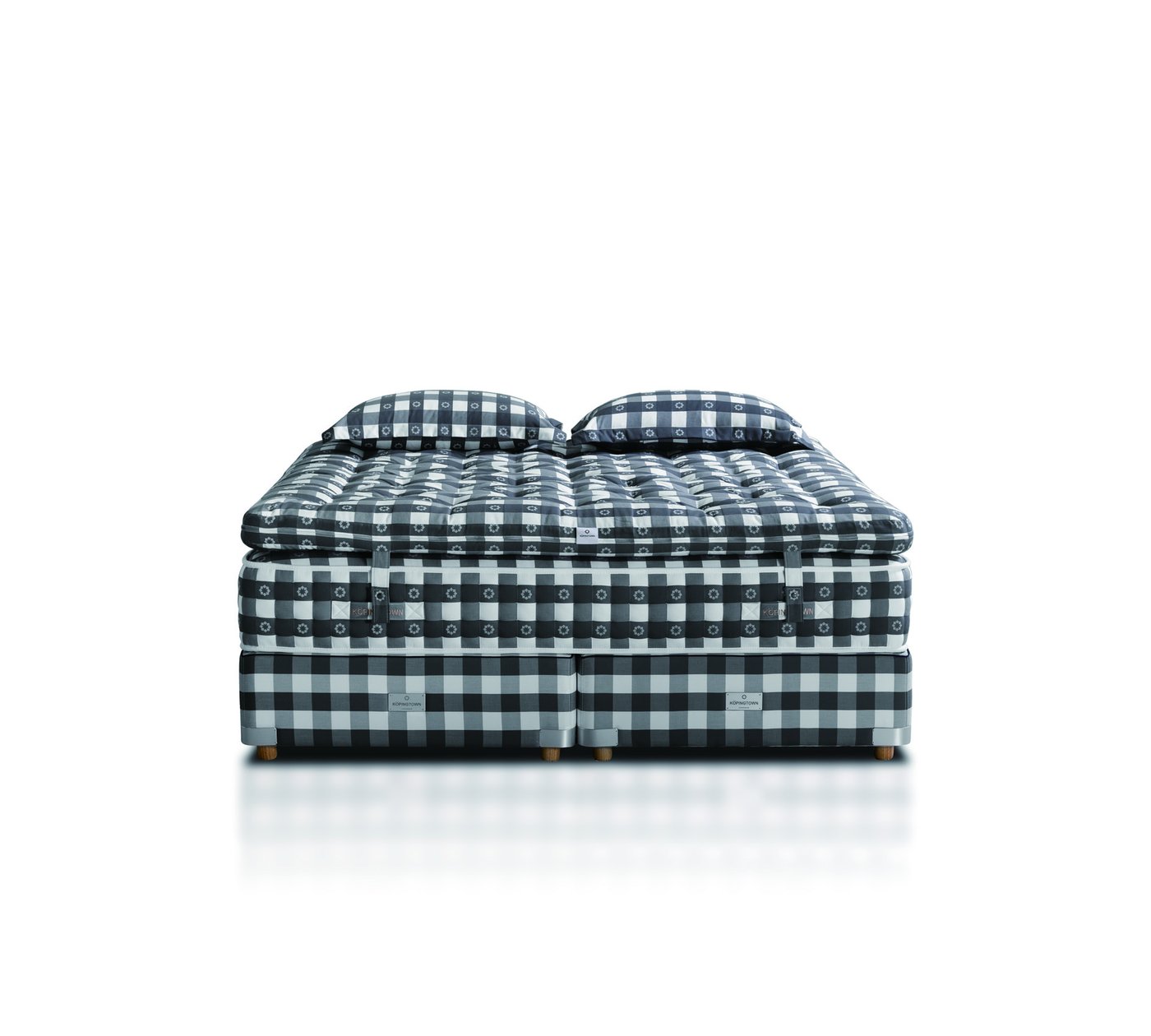
BS 7177 does not apply one test to every mattress. It sorts premises by fire risk and asks for more ignition sources as the risk rises. Your buyer's fire risk assessment fixes the category — we build and test to it.
| Hazard category | What the construction must resist | Typical premises |
|---|---|---|
| Low hazard domestic | Smouldering cigarette (EN 597-1) and match flame (EN 597-2) | Domestic dwellings, including non-motorised caravans |
| Medium hazard the contract tier | The two base tests plus ignition source 5 — the wooden crib test to BS 6807, applied to both the top and the edge of the bed | Hotels, guest houses, hospitals, hostels, halls of residence, boarding schools, care homes, holiday chalets, day centres |
| High hazard | Base tests plus ignition source 7 | Certain hospital wards, hostels, hotels, offshore installations, care homes |
| Very high hazard | Source 7 and any additional requirements the specifier sets | Locked psychiatric accommodation, prison cells |
Note the trap in the table. "Hotel quality" is a marketing phrase; "medium hazard" is the test that insurers and fire assessors ask to see. If your project is a hotel or a serviced apartment block, the answer is almost always medium hazard with Crib 5 — and a mattress that has only ever passed the domestic tests will not get you there.
Two separate sets of rules run side by side, and a mattress has to satisfy both.
| Requirement | What it covers |
|---|---|
| Furniture and Furnishings (Fire) (Safety) Regulations 1988 amended 1989, 1993, 2010 and 2025 | The fillings. Foam is tested by schedule: polyurethane foam block to Schedule 1 Part I, foam crumb to Schedule 1 Part II, rubber latex to Schedule 1 Part III. Composite fillings either have every layer pass the single-filling requirement, or the whole composite passes Schedule 2 Part IV — and any foam inside a composite must also meet the single foam requirement. |
| General Product Safety Regulations 2005 | The finished product must be safe. In practice this is demonstrated by the complete construction passing the appropriate BS 7177 hazard rating. |
One consequence worth knowing: these regulations control goods supplied in the UK, and goods made for export sit outside their scope. That is why the duty rests with the UK supplier or importer placing the bed on the market — and why the factory has to hand you evidence you can stand behind.
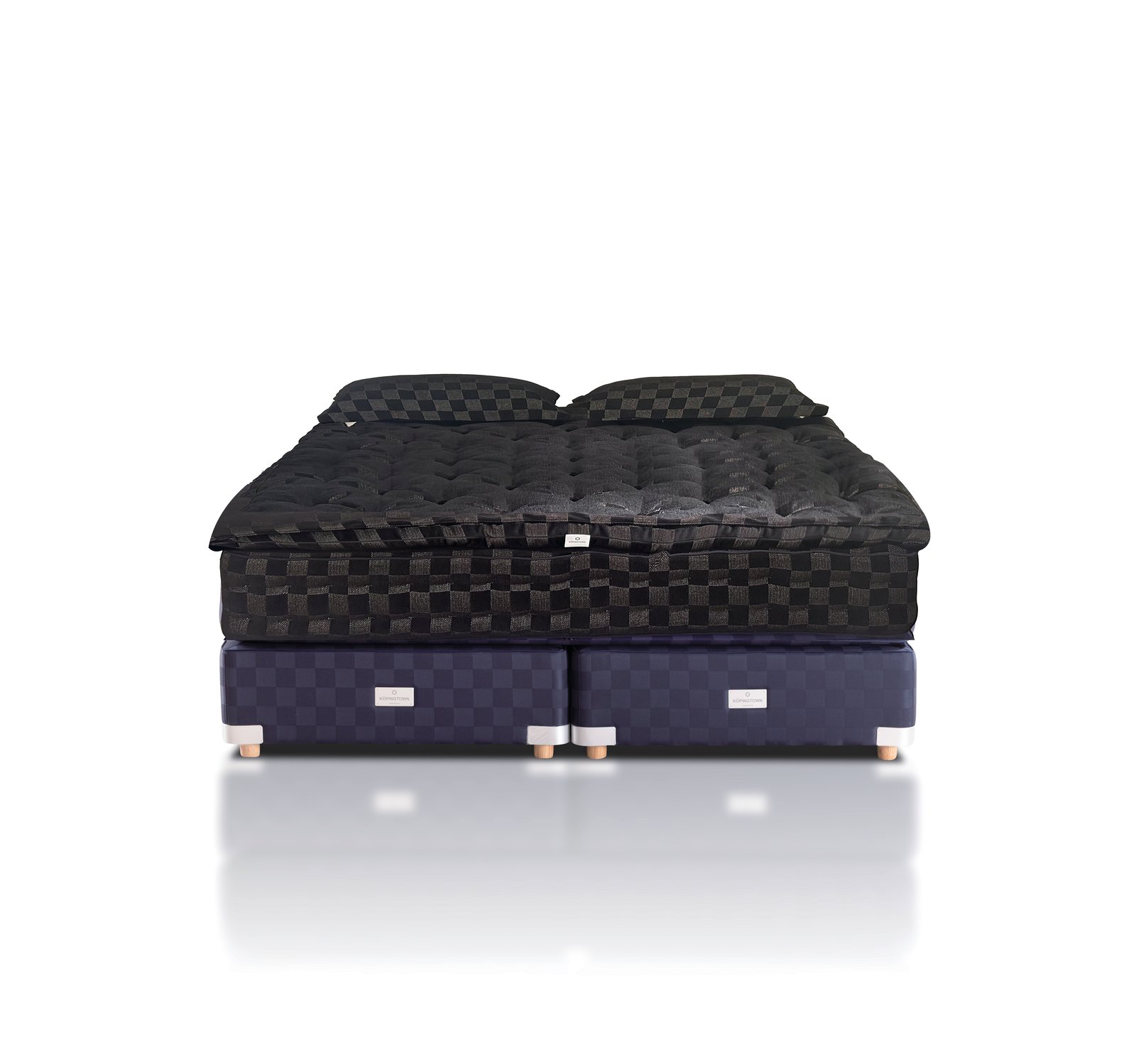
We would rather say this before you quote your client than after.
Horsehair, wool, cotton and jute are not inherently fire-retarded, and ignition source 5 is a serious fire. Reaching medium hazard on an all-natural build normally means adding a fire-barrier interliner beneath the ticking, specifying a compliant ticking, or both — and both change the feel and the cost of the bed.
So the sequence is: you tell us the hazard category and the feel you need; we scope the barrier construction and tell you what it does to the sleeping surface and the price; then we test the final construction as built. What we will not do is certify a construction we have not tested, or discover the barrier problem after your order is signed.
Ask about a Crib 5 buildYour label, your specification, your regulation. We build to your construction sheet, test it, and supply the report and label artwork so your product can go on a UK shop floor with the paperwork already in place.
Medium-hazard builds with a spare ratio, a phased delivery schedule for room-by-room refurbishment, and batch records that satisfy an insurance audit years after installation.
Container-quantity programmes with mixed models on shared pallets, consistent construction run after run, and repeat fire testing handled as a standing production cost rather than a surprise.
Yes, with the right construction. The barrier and ticking decisions are what make the difference, not the horsehair itself — which is why we scope the construction to the hazard category before we quote rather than after.
No, and be sceptical of any supplier who says it does. Reports are issued for the build that was tested. Change the filling weights, the ticking or the tufting and the evidence does not carry across. We supply tests per model, and we tell you which models have live reports before you commit to a launch date.
BS 7177 expects production to be re-tested on a rolling basis — roughly one bed a month above 2,400 units a month, one per 2,400 units between 400 and 2,400, and one every six months below 400. It is a real, recurring cost, and it is the reason some suppliers quietly stop testing. We price it into the programme and show it separately.
No. Compressing hand-tufted horsehair destroys the fibre memory and the bed never comes back. We ship flat on ISPM 15 pallets and give you the loading plan, so the freight number you quote your client is the real one.
Send the hazard category, the model family, the quantities and the destination. We come back with the construction sheet, the fire-performance scope, the report position and trade pricing.
Construction sheets, the fire-performance scope, the report set and trade pricing — for any of the thirty builds, or a bespoke specification built to yours.
Start a UK enquiry